
Hello,
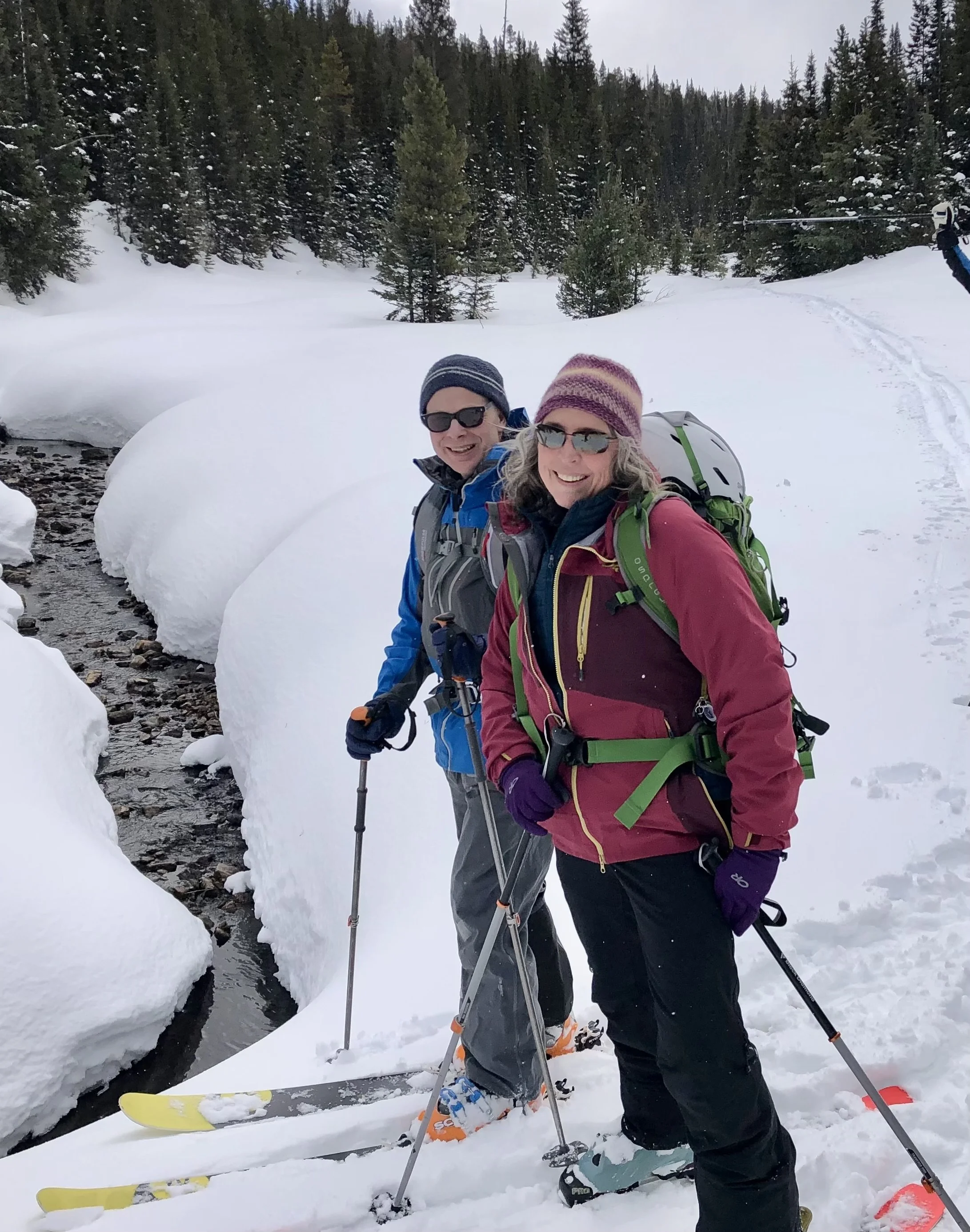
I am Billi, I am from Great Falls, and have been a teaching in our community for the past 20 years. I have a passion for pottery which as recently become this venture! Over the years I have found joy in teaching both children and adults how to create their own clay projects and access their inner creative self.
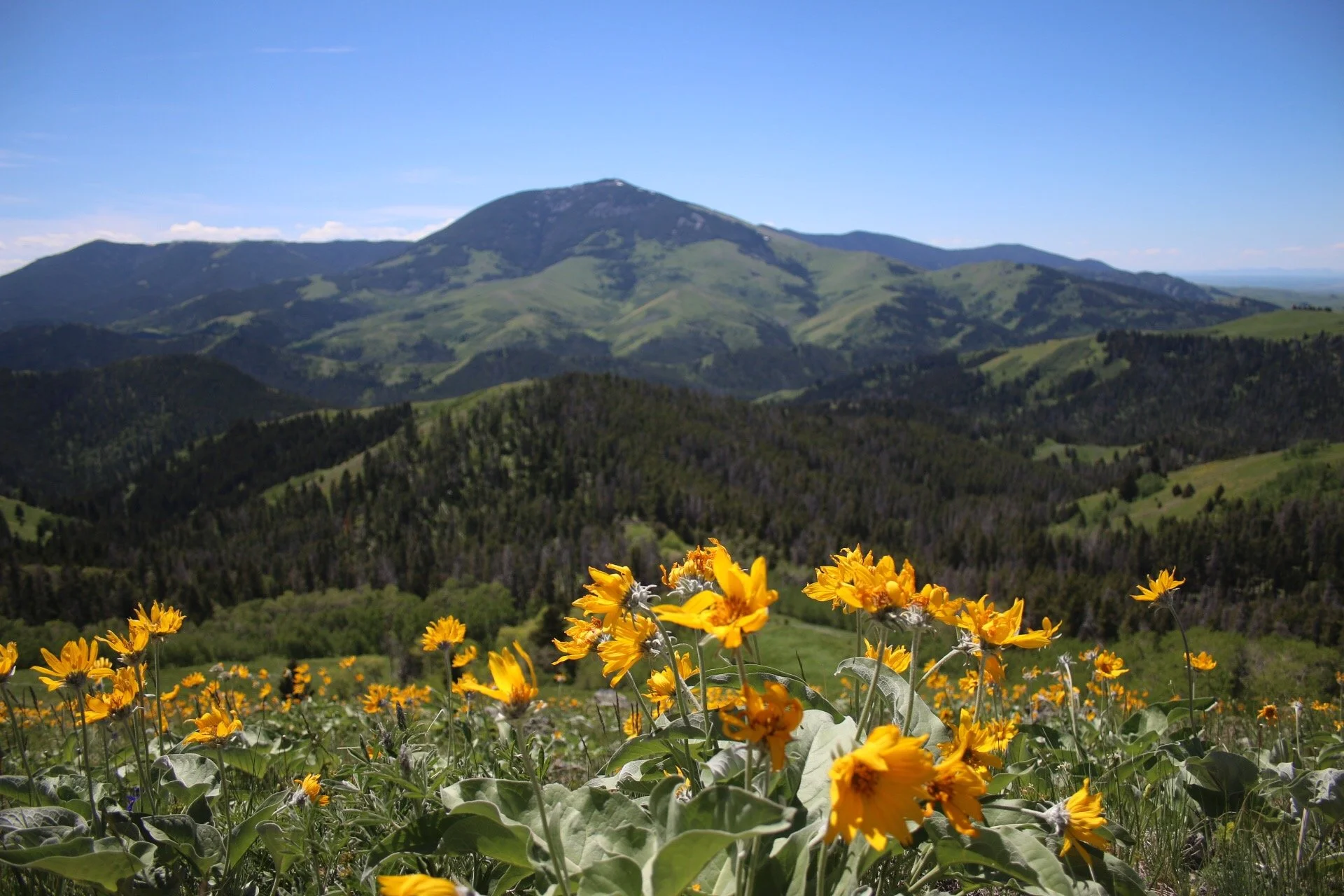
In my personal work, I love making functional pottery with natural tones inspired by Montana scenery. I love that my work gets to be used by the people in my life. I feel there is nothing more satisfying than having a cup of tea in a hand made mug!
When not making the pots in your kitchen, you can find me enjoying the outdoors, knitting a sweater, or spending time with my family and dog.
The Studio
A creative space
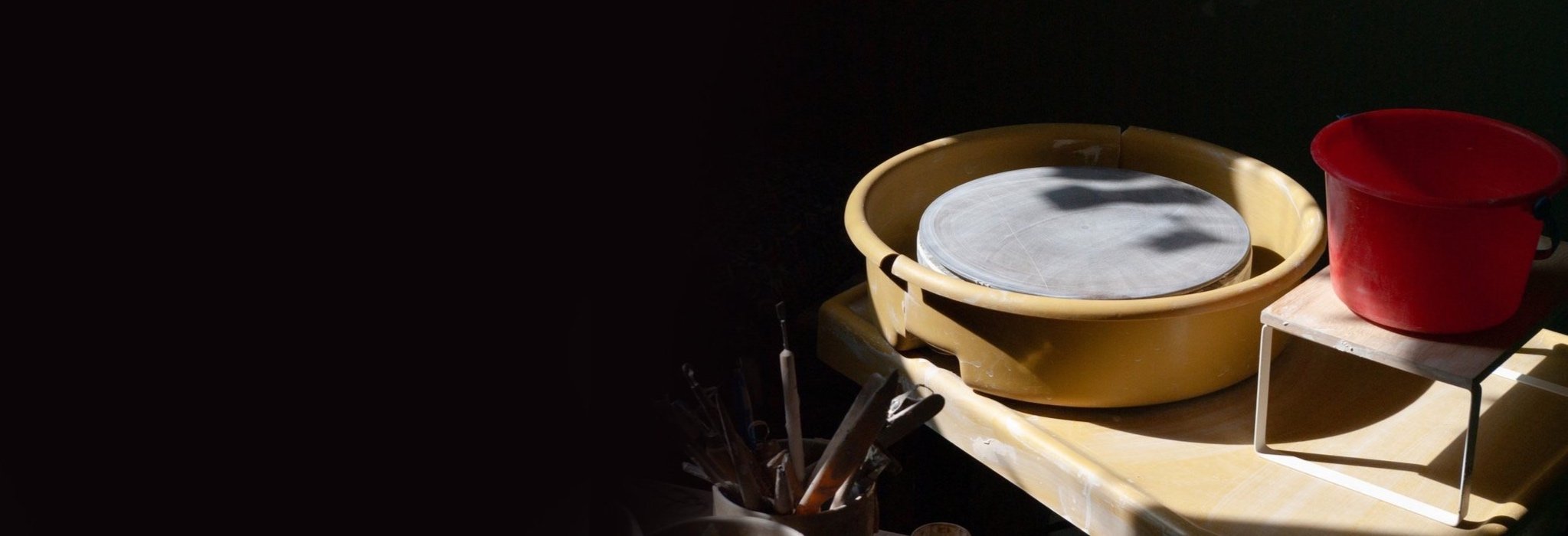
I built my studio a few years ago in my home and it has become my favorite place. I love getting to wander downstairs with a cup of tea, turn on some lovely music, and spend a few hours throwing pots.
In my studio I have 2 wheels, a slab roller and several glazes.
The Process
learn how the pots are made
Despite throwing pottery for 20 years, I find that you never know how your work will look, until you open that kiln for the final time and discover the finished pot. I never tire of the surprise!
1.Greenware
from Mud to Pot
The pot starts as piece of clay which is wedged. This removes any air bubbles so that it is ready to be put on the wheel. When the clay is shaped on the wheel it is called “throwing”. The thrown pot is then dried until it is leather hard so that it can be trimmed. At this stage, the outside of the pot is shaped and a bottom is carved out. The pot is then put aside to dry.


2.Bisque Firing
Creating Porous Ware
When the pot is completely dry it is ready to go through the first firing, where it is “cooked” at 1828 degrees F or cone 06. The clay is more durable after this firing and porous. This allows the pot to absorb glaze before the final firing.
3.Glazing
Liquid Chemicals
Glazes are liquids with suspended ground minerals. When a porous pot is dipped, painted, or poured it will absorb the minerals, which after the next firing will cover the pot with a glassy exterior. I tend to enjoy using colors that you find in nature but there are so many colors to choose from!

4.Final Firing
the Magic
This is the final stage in the process. When the glaze is dry the pot returns to the kiln for the final firing. During this stage the kiln will reach 2232 degrees F or Cone 6. These higher temperatures cause the ingredients in the glazes to melt and vitrify together, creating the glassy beautiful surface. This is the most exciting part of the process. When you open the kiln it is always a surprise!

